Teach inside a program.
Engineers and product people lead sessions inside the Summer Intensive and the Weekend Intensives, on the topics they actually work in.

Partners help define the standard, host Scholar projects, and meet Scholars years before a hiring decision.
development@allstarcode.orgWhen JPMorgan Chase engineers teach inside the Summer Intensive, they are not previewing candidates. They are telling high school Scholars what the job requires, in their own words, before those Scholars take a first internship. Readiness is perishable, and no training organization keeps pace with it alone. Partners define the standard, host Scholar projects, and meet Scholars while guidance still changes an outcome.
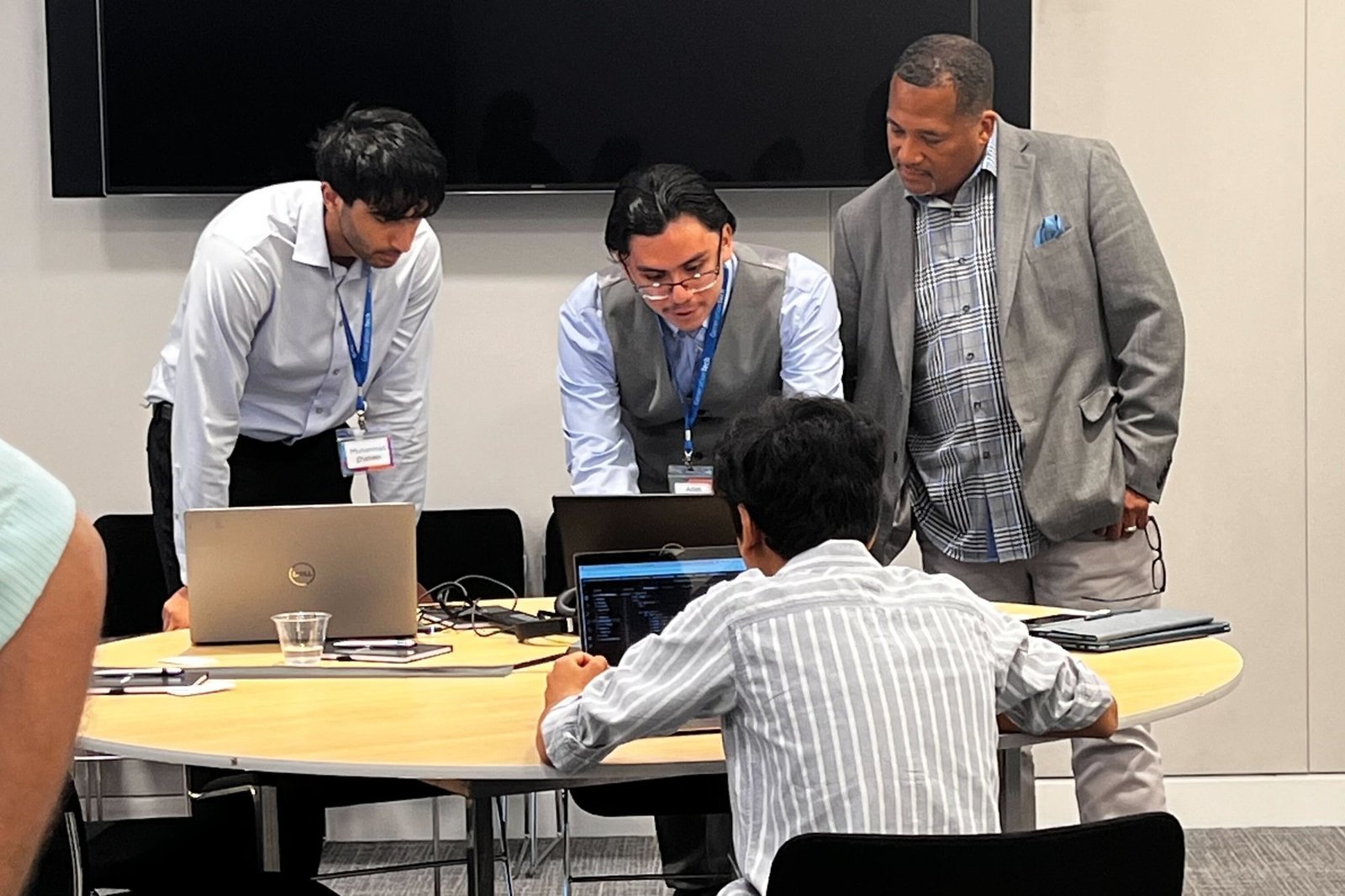
Engineers and product people lead sessions inside the Summer Intensive and the Weekend Intensives, on the topics they actually work in.
A day in the building, beside the teams on the job, for Scholars deciding whether this industry is for them.
Working engineers run mock interviews and coach Scholars through the technical screens that decide early careers.
Months on a project defined with employer input, with feedback from professionals in the field along the way.
Scholars in the Tech Entrepreneurship Incubator build and pitch their own products, and partners sit on the other side of that pitch.
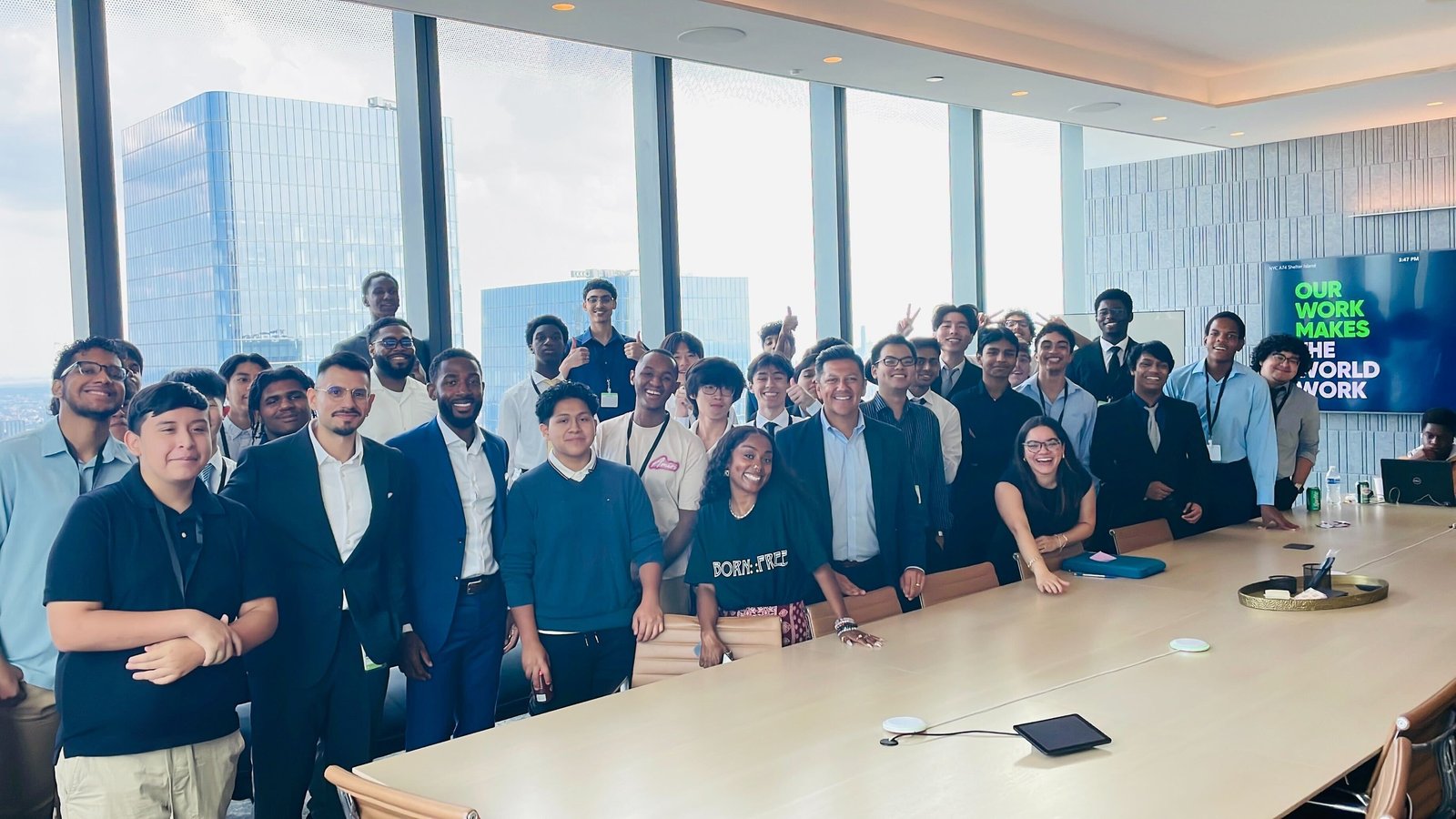
A talent pipeline is easiest to use at the end, when the candidates are finished and the only remaining decision is whether to hire. JPMorgan Chase engaged earlier than that. Engineers teach inside the Summer Intensive, and through Force for Good, JPMorgan Chase engineers built our Scholar Portal, now in beta. The company reaches Scholars at the point where its input still shapes what they build, and Scholars work at JPMorgan Chase today.
Signal Studio launches fully in 2027, and a pilot shaped with employer input from Medidata is planned for fall 2026. Signal Studio is structured like a first job. Scholars in college work in teams, take a project brief written with an employer partner, plan each sprint, hold standups, document their decisions, and revise when feedback comes back, with short skill workshops placed right before the project step that needs them. Partners help write the brief, define what competence looks like in a first job, and review the final work, while our staff handle the daily supervision.
Engineers finish with a code repository, a README, and API documentation. Data teams finish with a cleaning log and a two page executive brief, and product teams with a requirements document and a backlog. Every Scholar keeps a log of what AI produced, what they changed, and what they rejected.
Partners
Nike, Google, Honda, JPMorgan Chase, Medidata, Sony Music, Mizuho, T-Mobile, Spectrum, Citizens Bank, Panasonic, ServiceNow, Snap Inc., Varonis, S&P Global, CDW, LinkedIn, Microsoft, New York Jets
Send us the answer and we will find the version of this that fits. Partnerships here have started with a single classroom session and with a signed multi-year commitment.
development@allstarcode.org